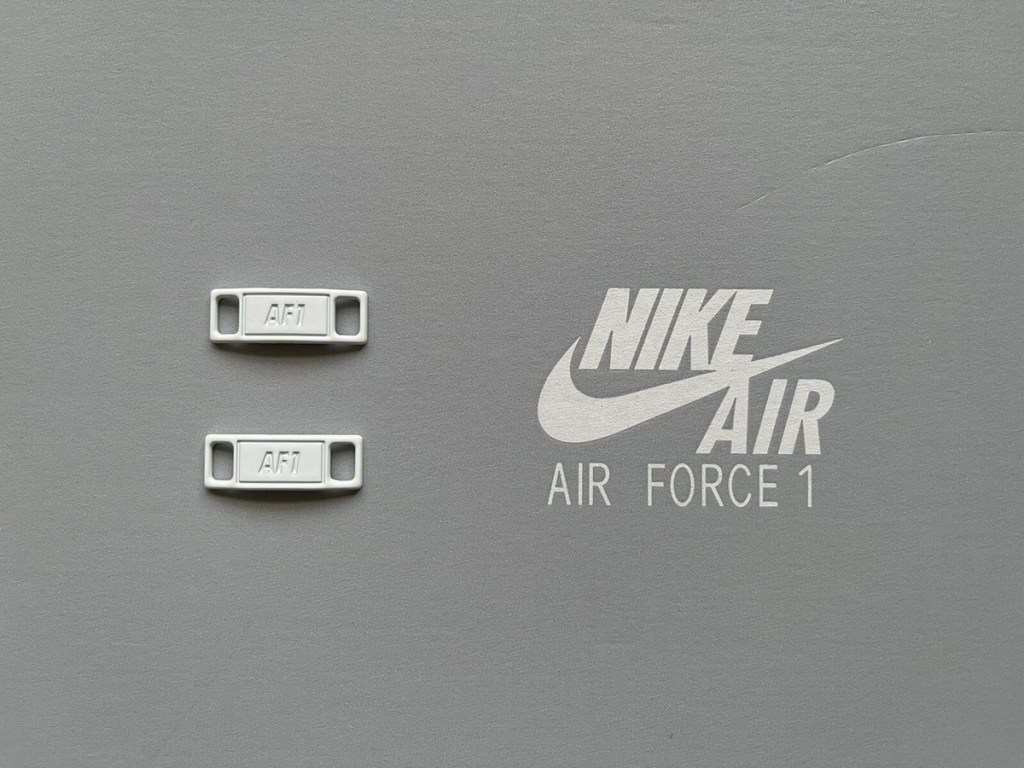
As I continue to build my suggested new product concept for Nike, I’ve reached a point where I can summarize some preliminary findings and remark on the limits of my market research thus far. My product concept focuses on improving the Nike Air Force 1 experience, and the research I conducted, mainly qualitative, has shaped my understanding of customer expectations, industry trends, and strategic prospects.
How My Research Supports Nike’s Objectives
Nike’s brand strategy is based on creativity, consumer-focused design, and staying ahead of cultural trends. The data I collected supports these corporate goals by showing that customers are actively seeking modern upgrades to traditional footwear, particularly innovations that improve comfort, customization, and overall experience. Many respondents expressed a desire for items that combine style and practicality, which is consistent with Nike’s long-standing emphasis on blending performance and everyday wear. The results show that Nike has room to develop extras or tweaks that boost an already legendary sneaker.
Industry Trends and What They Mean for My Product
While researching the footwear and lifestyle market, I came across some trends that are extremely relevant to my product idea. The first is the constant desire for comfortable footwear. Consumers want shoes and accessories that match their lifestyle, whether they are for work, exercise, or social use. Another obvious trend is the growing number of smart and technologically advanced fashion goods, which shows no signs of stopping. Sustainability is also gaining popularity, with buyers demanding firms employ eco-friendly materials and ethical production processes.
Marketing Strategy & Alignment With Standards
My recommended marketing plan focuses on honesty, openness, and consumer empowerment. Because Nike is already a worldwide leader, each new product has to stick to legal needs, ethical advertising standards, and industry best practices. This involves honest messaging, full accounts of product advantages, and adherence to consumer protection regulations. If the device ever contained digital components, Nike would have to adhere to privacy regulations such as GDPR and industry standards for wearable technology. Overall, the plan I am developing prioritizes those objectives to guarantee that the product is marketed properly.
Limitations and Research Gaps
Even though I gained valuable insights, I encountered restrictions during the study process. Because I relied solely on qualitative data, the response I received does not represent a broad audience. Qualitative research is detailed yet limited in scope, making it difficult to generalize the findings. I also discovered that there is little secondary research especially focused on changes for lifestyle shoes such as the Nike Air Force 1, making it more difficult to assess overall customer demand. Without surveys, observational data, or large-scale market reports, my plan is mostly based on directional insights rather than observable patterns.
Conclusion
Overall, the study I conducted supports Nike’s brand strategy and opens the way for innovative product development. The categories I identified, comfort, customization, sustainability, and smart extras point to a significant opportunity for innovation within Nike’s lifestyle footwear brand. At the same time, it is clear that more evidence is needed to support the suggestion. As I finish my marketing brief, these insights and limits will influence my suggestions, ensuring that the plan is viable, ethical, and in line with Nike’s long-term aims.
REFERENCES
European Commission. (2024). EU data protection rules (GDPR). https://commission.europa.eu
Federal Trade Commission. (2022). Advertising and marketing basics. https://ftc.gov
IDC. (2024). Worldwide quarterly wearable device tracker. https://idc.com
McKinsey & Company. (2023). The state of fashion 2024: Sustainability report. https://mckinsey.com
Nike. (2023). Nike, Inc. annual report. https://nike.com
Statista. (2024). Footwear market—U.S. statistics and facts. https://statista.com
 FORCE
FORCE 